
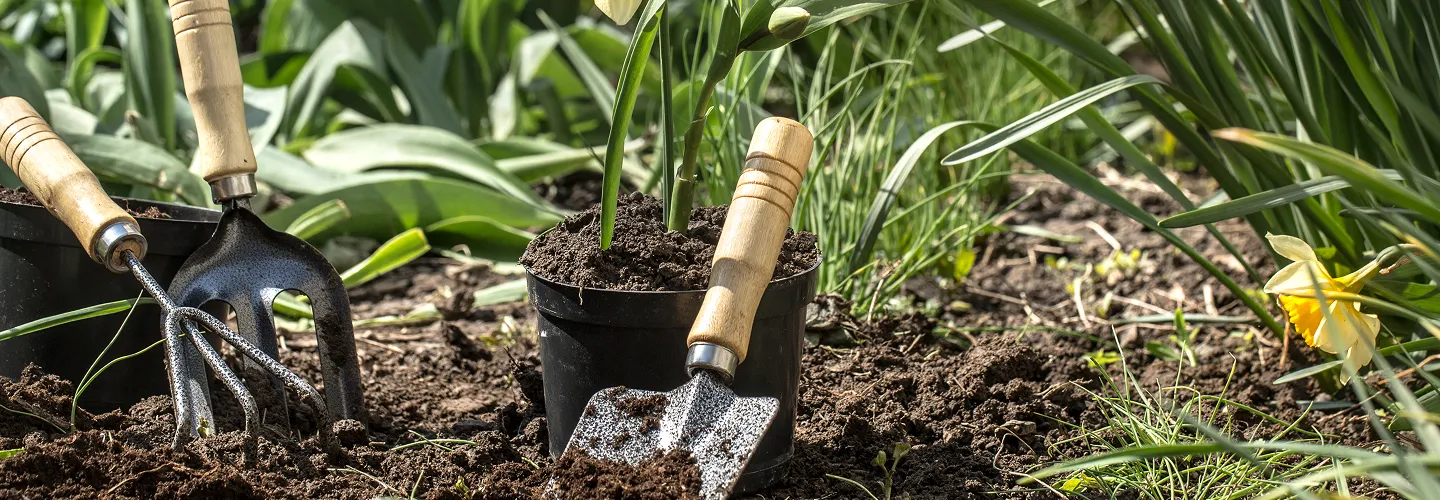
Westchase Weeding Services
Choose our expert weeding services for a healthier, more vibrant landscape—our team ensures your garden stays weed-free, letting your plants thrive and your yard look its best all season long.
Get a Free QuoteOur Westchase Landscaping & Yard Care Services
When to Schedule Weeding in Westchase, Florida – Seasonal Guide
In Westchase, Florida, the timing of weeding is crucial for maintaining healthy, attractive landscapes throughout the year. Thanks to our subtropical climate, weeds can thrive nearly year-round, but the most effective weeding schedules are tailored to local weather patterns and the unique characteristics of neighborhoods like The Bridges, West Park Village, and The Greens. Early spring and late fall are generally optimal for weeding, as these periods align with the region’s moderate temperatures and increased soil moisture, making weed removal easier and more effective.
Local environmental factors play a significant role in determining the best times for weeding. For example, Westchase’s sandy soils and high humidity can encourage rapid weed growth, especially after summer rains. Areas with dense shade from mature oaks or near the Westchase Golf Club may require more frequent attention due to persistent moisture and limited sunlight. Additionally, being aware of the last frost date and the potential for drought conditions during late spring and summer helps homeowners plan their weeding schedule for maximum impact. For more information on local environmental guidelines, visit the Sudbury municipal site.
Local Factors to Consider for Weeding in Westchase
- Tree density and shade coverage, especially in neighborhoods with mature landscaping
- Soil type (sandy vs. clay) and drainage characteristics
- Seasonal precipitation patterns and risk of drought
- Proximity to water features or retention ponds
- Municipal restrictions or HOA guidelines on herbicide use
- Terrain variations, such as sloped yards or low-lying areas prone to pooling
Benefits of Weeding in Westchase
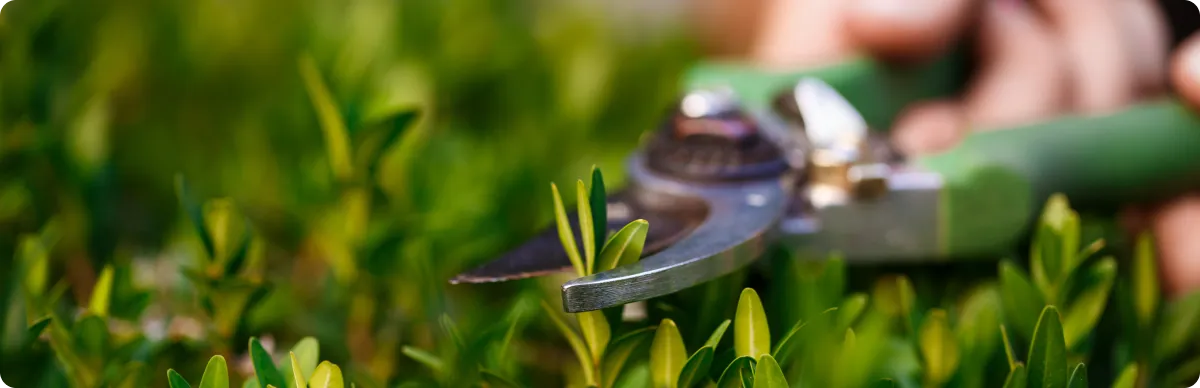
Enhanced Curb Appeal
Healthier Plant Growth
Reduced Pest Infestation
Improved Soil Quality
Professional and Reliable Service
Time and Effort Savings
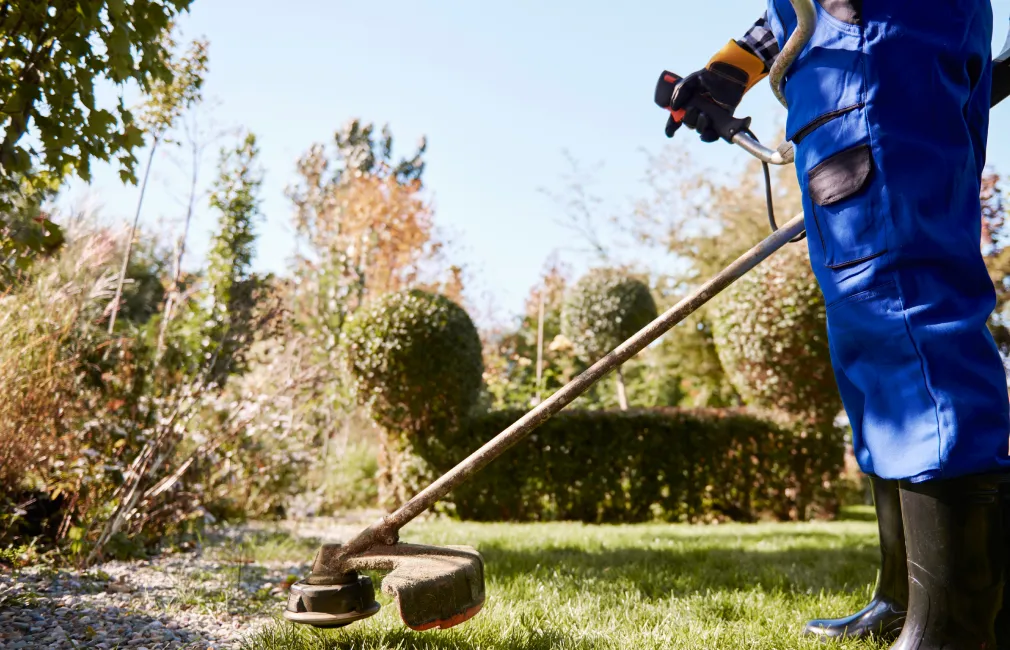
Westchase Weeding Types

Hand Weeding
-
Mulch Application
-
Pre-Emergent Weed Control
-
Post-Emergent Weed Spraying
-
Landscape Fabric Installation
-
Mechanical Weeding
-
Selective Herbicide Treatment
Our Weeding Process
Site Evaluation
Weed Identification
Targeted Removal
Soil Treatment
Final Inspection
Why Choose Westchase Landscape Services
-
Westchase Homeowners Trust Us
-
Expert Lawn Maintenance
-
Reliable Scheduling
-
Competitive Pricing
-
Professional Team
-
Satisfaction Guarantee
-
Personalized Service
Coordinating Weeding Activities with Westchase’s Public Works and Stormwater Systems
Effective weeding in Westchase, FL requires coordination with municipal operations, particularly regarding the disposal of vegetative debris and the protection of stormwater infrastructure. Residents and property managers must ensure that pulled weeds and plant debris are not left in swales, curb inlets, or near storm drains, as this can obstruct drainage and contribute to nutrient runoff into local canals and ponds. The Hillsborough County Public Works Department oversees the maintenance of drainage systems and provides guidance on yard waste collection and right-of-way maintenance. For larger weeding projects or those adjacent to public infrastructure, it is advisable to verify current collection schedules and debris placement rules to prevent service disruptions or code violations. Key steps include:
- Bundling or bagging weeds according to county yard waste guidelines
- Keeping all debris clear of stormwater inlets and swales
- Scheduling removal to coincide with municipal collection days
Hillsborough County Public Works Department
601 E. Kennedy Blvd., Tampa, FL 33602
Official Website: Hillsborough County Public Works Department
How Westchase’s Gulf Coast Climate and Soils Shape Weeding Needs
Westchase is situated within the Gulf Coast Florida region, characterized by high humidity, intense summer heat, and a pronounced wet season typically from June through September. The area falls within USDA Hardiness Zone 9b, supporting a wide range of warm-season weeds that can proliferate rapidly after rainfall. Soils in Westchase are predominantly sandy or fill-based, which can lead to quick nutrient leaching and variable drainage. These conditions influence weeding in several ways:
- Weed flushes often occur after heavy rains, requiring prompt removal before seed set
- Sandy soils make hand-pulling easier but may also allow rapid weed regrowth
- Proximity to canals, ponds, and swales increases the risk of nutrient and herbicide runoff, necessitating careful debris management
For more on local soil profiles, consult the USDA Web Soil Survey. Understanding these environmental factors is essential for timing and selecting appropriate weeding methods in Westchase.
Regulatory Considerations for Weeding, Herbicide Use, and Stormwater Protection in Westchase
Weeding activities in Westchase are subject to both county and state regulations, especially when chemical controls are used or when work occurs near stormwater features. The Florida Department of Agriculture and Consumer Services (FDACS) requires applicator licensing for most herbicide applications beyond basic homeowner use. Additionally, the Florida DEP NPDES Stormwater Program sets standards to prevent pollutants, including yard debris and chemicals, from entering municipal stormwater systems. Key compliance points include:
- Only licensed applicators may apply restricted-use herbicides
- Debris must not be placed in or near storm drains, swales, or water bodies
- Verify any local restrictions on chemical use or debris disposal with county code enforcement
Hillsborough County Code Enforcement
601 E. Kennedy Blvd., Tampa, FL 33602
Official Website: Hillsborough County Code Enforcement
For further information on pesticide licensing, refer to FDACS Pesticide Applicator Certification and Licensing.
Professional Weeding Methods and Seasonal Timing for Westchase Landscapes
Professional weeding in Westchase emphasizes both manual and chemical methods, with timing and technique adapted to local climate and site conditions. The following standards are widely recognized:
- Hand-pulling is most effective after rainfall, when sandy soils are moist and roots are easier to remove
- Pre-emergent herbicides should be applied before the onset of the wet season to suppress annual weed germination
- Post-emergent treatments are best timed for active weed growth but must be applied with care to avoid runoff into stormwater features
- Mulching beds to a depth of 2-3 inches helps suppress weed emergence and moderate soil moisture
For guidance on environmentally responsible weeding and landscape care, see UF/IFAS Gardening Solutions - Lawns and EPA WaterSense Outdoors. Always avoid weeding or applying chemicals immediately before forecasted heavy rain to minimize runoff risk.
Hillsborough County Parks and Recreation
601 E. Kennedy Blvd., Tampa, FL 33602
Official Website: Hillsborough County Parks and Recreation
What Neighborhoods Do We Serve Throughout Westchase, FL?
- West Park Village This area features mature landscaping, extensive sidewalks, and HOA-managed green spaces that require regular weeding and careful debris handling.
- The Fords Known for larger lots and proximity to ponds and swales, The Fords presents unique challenges for weed control near water features.
- The Bridges With a mix of shaded and sun-exposed lots, The Bridges requires tailored weeding approaches to address both dense beds and open turf areas.
- Radcliffe This neighborhood’s newer subdivision fill soils and active irrigation systems influence weed growth and removal timing.
- Saville Rowe Townhome-style properties with shared green spaces and limited frontage demand coordinated weeding and debris management.
- The Greens Adjacent to golf course and preserve areas, The Greens faces increased weed pressure along naturalized edges and drainage corridors.
- Westchase Sections 370 and 380 These sections include a mix of older and newer homes, with varying lot sizes and drainage patterns affecting weeding logistics and access.