
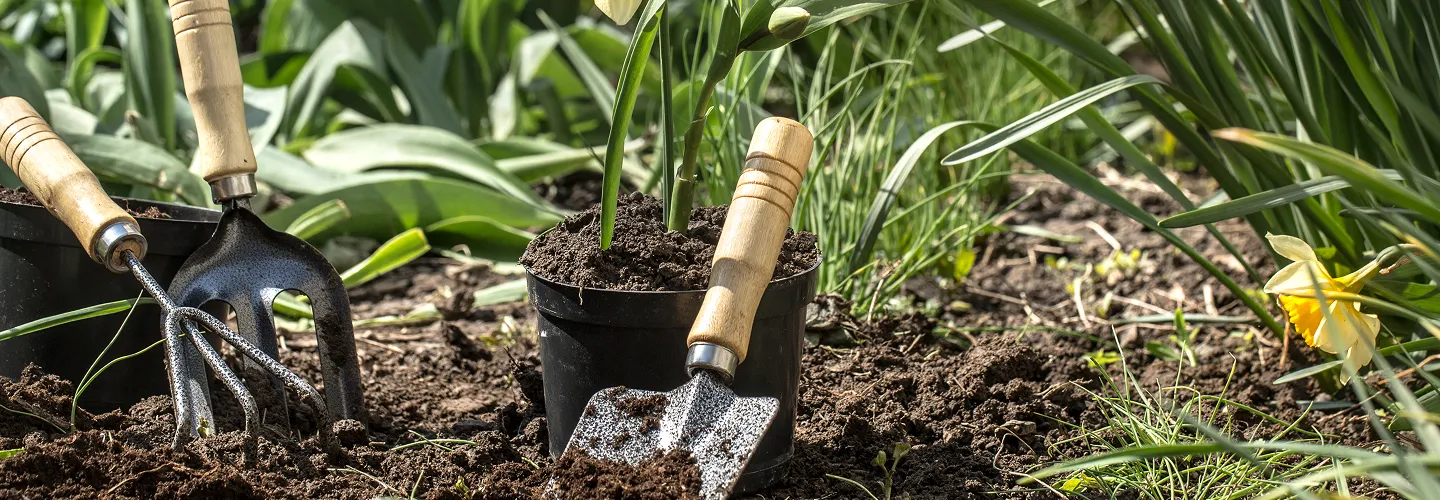
Westchase Plant Removal Services
Choose our plant removal experts for safe, thorough, and eco-friendly solutions that restore your landscape’s beauty and health—trusted by Westchase homeowners for reliable results.
Get a Free QuoteOur Westchase Landscaping & Yard Care Services
When to Schedule Plant Removal in Westchase, Florida – Seasonal Guide
In Westchase, Florida, timing your plant removal is crucial for both the health of your landscape and compliance with local guidelines. The subtropical climate here means that most plant removals are best scheduled during the cooler, drier months—typically late fall through early spring. This period, after the last frost and before the onset of summer humidity, minimizes stress on your soil and remaining vegetation. Neighborhoods like The Bridges and West Park Village often see increased plant removal activity in these months, as residents prepare their yards for new growth or landscaping projects.
Local environmental factors play a significant role in determining the optimal removal window. Westchase’s proximity to Tampa Bay brings higher humidity and occasional drought risk, especially in late spring. Soil types can vary from sandy loam to clay, affecting root removal and site restoration. Shade coverage from mature oaks in areas like Highland Park may also influence the timing and method of removal. For more information on local environmental guidelines, visit the Sudbury municipal resource.
Local Factors to Consider for Plant Removal in Westchase
- Tree density and canopy coverage, especially in established neighborhoods
- Terrain slope and drainage patterns
- Seasonal precipitation and risk of soil erosion
- Municipal restrictions or permit requirements
- Proximity to protected wetlands or conservation areas
- Soil type and compaction from previous landscaping
- Drought risk and irrigation availability
Benefits of Plant Removal in Westchase
Expert Landscaping Team
Efficient Plant Removal
Eco-Friendly Disposal
Improved Curb Appeal
Customized Landscaping Solutions
Safe and Reliable Service
Westchase Plant Removal Types

Tree Removal
-
Shrub Removal
-
Stump Grinding
-
Invasive Species Removal
-
Root System Extraction
-
Hedge Clearing
-
Groundcover Removal
Our Plant Removal Process
Site Evaluation
Preparation and Safety Measures
Plant Extraction
Debris Removal
Site Restoration
Why Choose Westchase Landscape Services
-
Westchase Homeowners Trust Us
-
Expert Lawn Maintenance
-
Reliable Scheduling
-
Competitive Pricing
-
Professional Team
-
Satisfaction Guarantee
-
Personalized Service
Coordinating Plant Removal with Hillsborough County Public Works in Westchase
Plant removal in Westchase, FL, requires careful coordination with Hillsborough County Public Works, especially when dealing with vegetative debris, right-of-way areas, or drainage-sensitive locations. Residents and property managers must ensure that all removed plant material is properly staged for collection and does not obstruct swales, storm drains, or public rights-of-way. The county provides scheduled yard waste collection, but large-scale removals or invasive species may require special handling or advance notification. For projects near drainage systems or public infrastructure, it is essential to verify if additional review or operational coordination is needed to prevent blockages or runoff issues. Practical steps include:
- Bundling or containerizing plant debris according to county guidelines
- Avoiding placement of debris in swales, ditches, or curb inlets
- Scheduling bulk pickups for large volumes or storm debris
Hillsborough County Public Works Department
601 E. Kennedy Blvd., Tampa, FL 33602
Phone: 813-635-5400
Official Website: Hillsborough County Public Works Department
How Westchase’s Gulf Coast Climate and Soils Shape Plant Removal Needs
Westchase is situated within the Gulf Coast Florida context, characterized by high humidity, intense summer heat, and a pronounced wet season from June through September. The area’s soils are predominantly sandy or fill-based, which can lead to rapid drainage but also increase the risk of erosion and nutrient leaching after plant removal. Additionally, the high water table and proximity to canals, ponds, and stormwater retention areas mean that improper removal or site disturbance can quickly result in runoff or sediment entering sensitive water bodies. Key local conditions affecting plant removal include:
- Sandy, fill-based soils that are prone to erosion if left bare after removal
- High rainfall during the wet season, increasing the risk of debris movement into storm drains
- Frequent adjacency to swales, ponds, and canals, requiring extra care to prevent runoff and protect water quality
For more on local soils, consult the USDA Web Soil Survey and for climate adaptation, see the USDA Plant Hardiness Zone Map.
Regulatory Requirements and Environmental Compliance for Plant Removal in Westchase
Plant removal activities in Westchase are subject to both county and state regulations, particularly where environmental protection and stormwater management are concerned. Removal of vegetation near water bodies, swales, or public rights-of-way may trigger review by county departments to ensure compliance with the Clean Water Act and the Florida DEP NPDES Stormwater Program. Residents should be aware that:
- Permits may be required for removal in regulated areas or for large-scale projects
- All debris must be disposed of according to county yard waste and bulk collection rules
- Disturbance of soil or root zones near drainage features may require stabilization or erosion control
Hillsborough County Permits and Records
601 E. Kennedy Blvd., Tampa, FL 33602
Phone: 813-635-7300
Official Website: Hillsborough County Permits and Records
For additional guidance on stormwater compliance, refer to EPA Stormwater Discharges from Municipal Sources.
Professional Methods and Timing for Safe Plant Removal in Westchase’s Environment
Effective plant removal in Westchase requires attention to both timing and technique to minimize site disturbance and environmental impact. Removal is best scheduled during the drier months (typically October through May) to reduce the risk of soil erosion and runoff into nearby water bodies. Professional standards recommend:
- Cutting and removing above-ground biomass before extracting roots to limit soil disruption
- Installing temporary erosion controls (such as mulch or silt barriers) if bare soil is exposed near swales or drainage features
- Promptly stabilizing disturbed areas with mulch, groundcover, or sod to prevent sediment movement
- Avoiding removal during or immediately before heavy rain events, as forecasted by the National Weather Service
For additional environmental protection strategies, see UF/IFAS Gardening Solutions - Protecting Florida’s Water Resources.
Hillsborough County Tree Resources
601 E. Kennedy Blvd., Tampa, FL 33602
Official Website: Hillsborough County Tree Resources
What Neighborhoods Do We Serve Throughout Westchase, FL?
- West Park Village This area features mature landscaping, established shade trees, and a mix of lot sizes, often requiring careful debris staging and access coordination.
- The Fords Known for its proximity to ponds and greenways, plant removal here must account for runoff protection and HOA landscaping standards.
- The Bridges With many homes adjacent to swales and stormwater features, this neighborhood demands extra attention to debris containment and drainage sensitivity.
- The Greens Larger lots and wooded buffers in The Greens mean plant removal projects may involve significant root-zone work and erosion control.
- Radcliffe This subdivision’s newer fill-based lots and compacted soils require stabilization after removal to prevent settlement and drainage issues.
- Saville Rowe Townhome layouts and limited frontage in Saville Rowe necessitate precise debris handling and coordination with shared access points.
- Westchase Golf Course Area Properties bordering the golf course often have irrigation-intensive landscapes and must avoid debris entering water features or fairways.